
Taking precautions while detoxing from alcohol is very important as detoxing can lead to alcohol withdrawal symptoms[8], which may sometimes be severe or life-threatening. Developing alcohol tolerance can lead to increased alcohol abuse, which can further strain the liver. If you are concerned about the effects of alcohol on your body and ready to take control of your health, this article is for you.
- There, healthcare providers will help you slowly and safely stop drinking alcohol while closely monitoring your physical and mental health.
- The first step in this metabolic process is the conversion of alcohol into a compound called acetaldehyde, which is carried out by an enzyme called alcohol dehydrogenase (ADH).
- Increasing your intake of potassium-rich foods — which counterbalance some of sodium’s effects — also helps.
As mentioned above, it is not advisable to do the withdrawal process on your own. You can, however, take tips and suggestions on how you can make the experience a little easier. Since it is not possible to get rid of acetaldehyde, your body will turn it into carbon dioxide, which is easy to remove from your system. Staying away from alcohol is the only method to prevent your health.
Hospital Detox
This kind of tea is rich in antioxidants[4] and has the ability to efficiently flush toxins out of the body, even those that have been generated as a result of drinking alcohol. This is also an excellent method how to flush alcohol out of your system for reversing[5] the effects of alcohol poisoning. The body has its ways of naturally detoxing or flushing out alcohol from the system and there are a few ways to support these natural detoxification processes.
When you consume alcohol, it gets absorbed into your body and enters your bloodstream, where it circulates until it is broken down. The most efficient way for your body to break down alcohol is through metabolism, and the primary organ responsible for this is the liver. Sweating excessively the next day after drinking alcohol is a common side effect of a hangover.
Can you pass an alcohol test in 24 hours?
The process of quick breathing and extreme sweating enables you to release toxins by getting more oxygen into your body naturally. However, as you go through the strenuous activity, you must keep a water bottle beside you to stay hydrated. If you want to take charge of your health and well-being, detoxing from alcohol is a great place to start. If you’re a social drinker or only consume large amounts of alcohol every now and then, it shouldn’t be too hard to clean out your system.
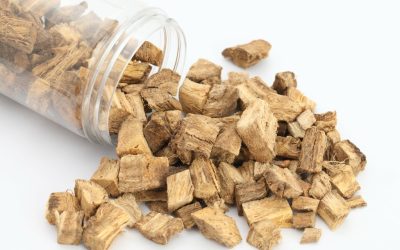
Just like a broken bone or infection needs time to heal, so does an overworked liver. While this depends on the amount of alcohol you have had over the years, your liver can see partial healing within two to three weeks, but this will depend on your health history. There are also certain foods like tea, fish and nuts that can benefit the liver’s function in many ways. Think of it as giving your liver a little boost in the right direction. “Nutrition therapy is very important in terms of feeding the liver and giving it the building blocks it needs to restore itself,” says Dr. Lindenmeyer. Another thing that will help your liver’s journey in recovery is good nutrition.
Drugs & Supplements
The timeline might vary based on consumption, frequency, age, sex, and weight. Experts say we all need at least eight glasses of water every day. However, when your goal is to flush out alcohol from your body, you should drink more of it.

Outpatient care, also called ambulatory care, might include medication-assisted withdrawal to make the process easier. If you’re detoxing from opioids, you might get methadone or buprenorphine. If you’re quitting alcohol, you might get anti-seizure medication or benzodiazepines to help with the withdrawal, and naltrexone or other medications to help you stop drinking. It typically implies following a specific diet or using special products that claim to rid your body of toxins, thereby improving health and promoting weight loss.
Asparagus in particular protects the liver and can help reduce hangover symptoms. For example, a small shot of spirits may take one hour to convert to metabolites, but a large glass of wine 3 hours. The new government recommendation is that both men and women should drink no more than 14 units of alcohol per week over 3 days. The process the liver undertakes cannot be rushed, and this is why the government guidelines surrounding daily and weekly intake of alcohol units is in place.